Why Southern Africa’s Safari Destinations Reward Travellers Like Nowhere Else on Earth

Safari travel gets romanticised well beyond what the reality actually looks like. The animals are wilder, the distances longer, and the discomfort more present than the brochures tend to suggest. But none of that diminishes the experience – it deepens it. What catches most travellers off guard is not the wildlife itself but the sheer difference between each country, each reserve, each ecosystem. Southern Africa’s safari destination offerings do not follow a single template. Each one operates on its own logic, and arriving with that understanding changes everything about how the trip unfolds.
Botswana Chose Scarcity on Purpose
Most tourism industries compete on volume. Botswana made a deliberate decision to go the other way, and it has held that position ever since. The entire model was built around fewer visitors, higher wilderness standards, and protecting the integrity of places like the Okavango Delta and Chobe from the kind of overcrowding that quietly ruins wildlife areas elsewhere. This was a policy choice, not geography. The practical result is that game drives in Botswana regularly feel private in a way that simply cannot be replicated in busier parks, regardless of how impressive the animal density is somewhere else.
Zimbabwe’s Comeback Is Real
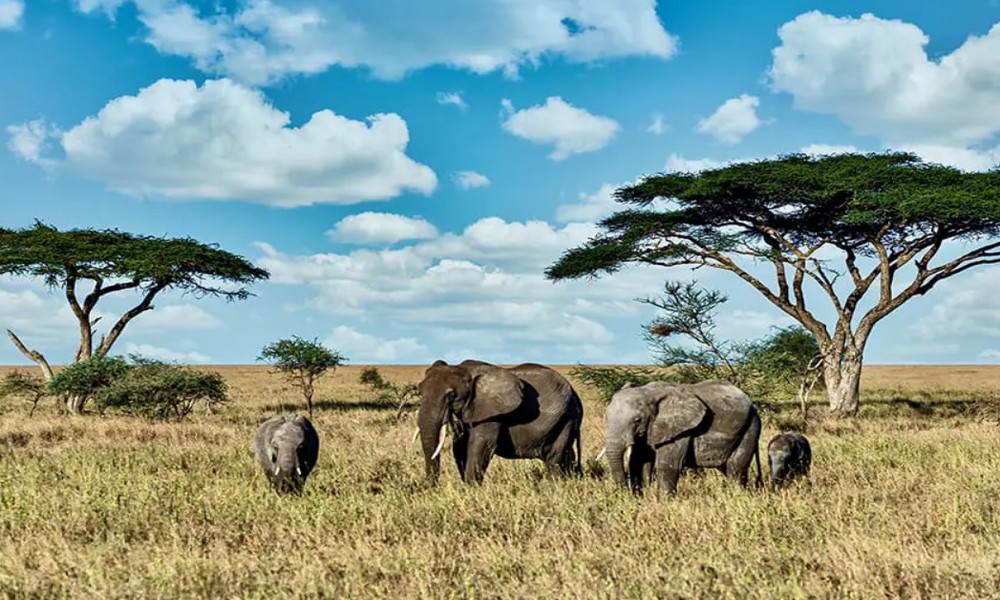
Zimbabwe’s safari reputation took serious damage through years of instability. Lodges closed, infrastructure collapsed, and international visitors largely disappeared. The recovery that has followed is genuine and still underway. Hwange holds one of Africa’s largest elephant populations and has attracted real conservation reinvestment in recent years. Mana Pools, sitting along the Zambezi River, runs walking safaris where guests move through terrain shared with lions and buffalo – a level of access that almost no other country permits at that scale. Travellers arriving now are seeing Zimbabwe before the wider market catches up, which is a rare position to be in.
Namibia Breaks the Safari Template
The image most people carry into a first safari involves green savannah, dense bush, and the big five arranged conveniently near a waterhole. Namibia dismantles all of that immediately. Desert-adapted lions along the Skeleton Coast, elephants navigating completely dry riverbeds, cheetahs on private farmland conservancies – these animals have changed behaviourally in ways that researchers are still working to fully understand. Southern Africa’s safari destination variety is nowhere more striking than here. The absence of the expected scenery is not a shortcoming. It is the point. Namibia rewards travellers who are willing to let go of the postcard version of what Africa is supposed to look like.
Private Conservancies Change the Encounter
National parks are built around preservation, which means rules – vehicles on marked roads, no movement after dark, fixed operating hours. Private conservancies sitting alongside those parks operate under a different framework entirely. Off-road driving, night game drives, walking with armed guides, spending extended time with a single animal sighting without another vehicle arriving – these are normal on private land and largely unavailable inside national park boundaries. The wildlife crosses between both areas freely, carrying no awareness of the fence line. But the quality of what a traveller actually experiences shifts considerably depending on which side of that boundary the vehicle sits.
The Guide Is the Actual Experience
Comfortable lodges and dramatic landscapes set the scene, but the guide determines what a traveller actually takes home. A senior field guide working across Africa’s safari destination regions carries knowledge built over years of formal study, practical fieldwork, and ecological assessment. They read broken branches, disturbed soil, the direction of an alarm call, the way a herd is moving. That knowledge reframes every sighting from something visually impressive into something genuinely understood. Watching a wild dog pack with a guide who can explain what is happening socially within that pack is a categorically different experience from watching the same scene in silence.
Conclusion
Southern Africa’s safari destination landscape does not perform for visitors. It simply continues, indifferent to observation, which is exactly what makes witnessing it feel earned rather than purchased. Botswana’s deliberate quietness, Zimbabwe’s ongoing resurgence, Namibia’s refusal to look like anywhere else – these are not selling points assembled for a brochure. They are the actual texture of the region, available to anyone who arrives curious enough to pay attention.