Conservation Tourism Experiences Supporting Elephant Protection And Habitat Preservation

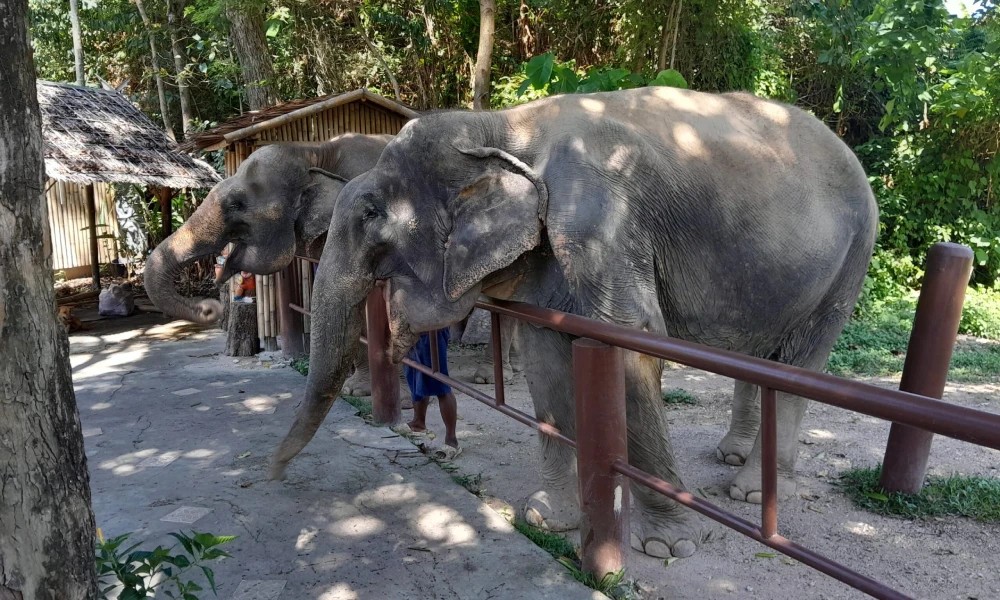
Conservation tourism brings people close to elephants while aiding protection efforts. Visitors join activities that fund habitat care directly. These experiences highlight natural behaviors in safe settings. elephant tour koh samui offers guided views that contribute meaningfully to wildlife support.
Elephant Care Starts Here
Ethical tourism focuses on elephant well-being above all else. Programs prioritize natural habitats over captive shows. Guests learn about daily routines and challenges faced. Protection gains from every participant who joins thoughtfully.
Routines Build Protection Funds
Routines in conservation centers guide visitor interactions smoothly. Funds from fees maintain forests and water sources.
Vital Routine Support Areas
- Feeding schedules sustain herd health daily
- Mud baths protect skin from sun damage
- Forest patrols deter human encroachment risks
- Water hole maintenance ensures drinking access
- Vet checks monitor group vitality weekly
- Plant growth tracks food supply abundance
Routines generate steady income for land purchases. Centers expand protected zones with visitor help. Animals thrive amid growing safe spaces.
What Helps Save Habitats
Habitat preservation relies on tourism revenue for land buys. Funds clear invasive plants and restore native vegetation. Local communities gain jobs that reduce poaching pressures. Efforts create buffer zones around core forests.
How do visitor fees transform into conservation actions? Centers allocate portions to ranger salaries first. Next comes equipment for patrols and monitoring. Surplus buys adjacent plots to link fragmented areas.
Keeping Elephants Safe Always
An elephant tour koh samui maintains strict protocols during all visits. Guides keep distances to avoid stress on herds. Fences protect from outside threats without restricting movement. Vets provide regular care backed by donor funds.
Families Can Help Too
Families ask if kids can participate without risks. Centers offer age-appropriate walks and talks nearby. Guides explain behaviors while funding flows to care. Safety rules keep everyone at comfortable distances.
What age groups handle these outings best? Younger ones learn through stories and views only. Teens assist in light tasks like planting saplings. Adults volunteer for longer monitoring shifts.
Rangers Guard The Forests
Rangers patrol edges to spot threats early each day. They document animal signs and report to teams. Tourism hires more staff to cover wider grounds. Boundaries hold firm against logging attempts.
Villages Join The Effort
Communities near forests earn from guiding roles steadily. They plant trees and monitor water quality together. Schools teach kids about elephant roles locally. Habits shift away from conflicts through education. Villages protect herds as shared guardians now. Futures brighten with balanced human-wildlife spaces.